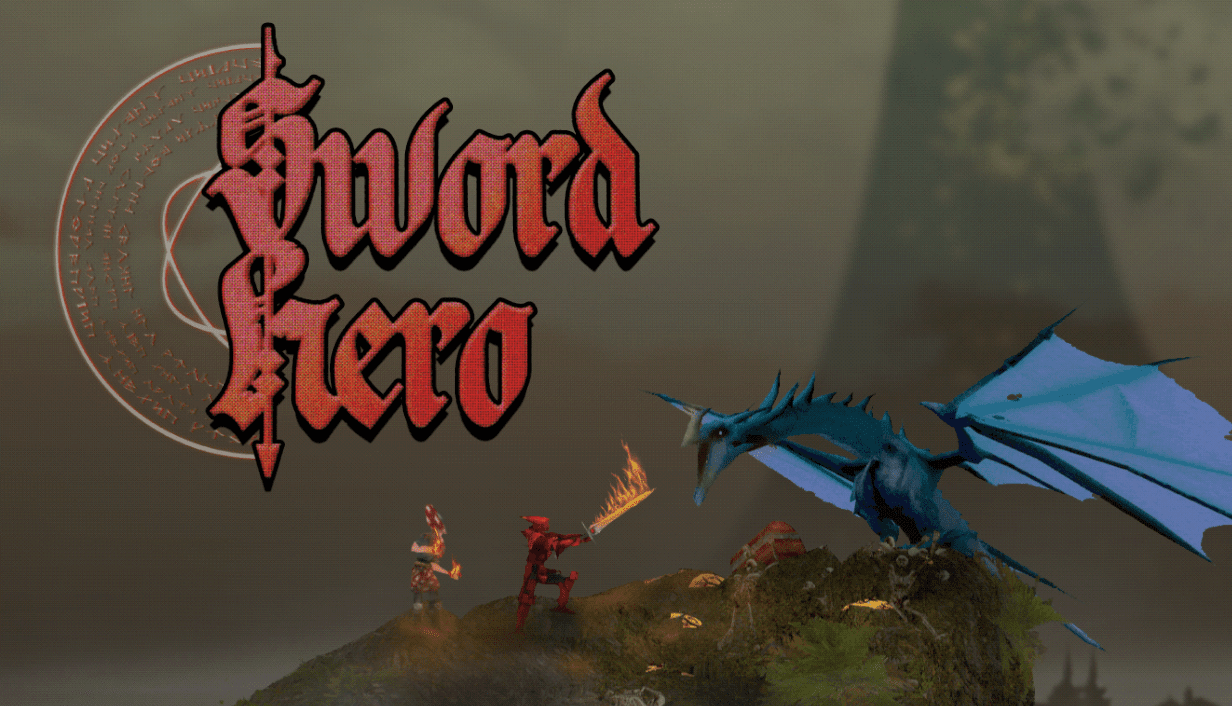
Sword Hero is a new retro-styled, open-world RPG from solo developer ForestWare with support from publisher Crytivo. The game has been heavily inspired by RPG classics such as Gothic and Kenshi, and has now entered into a crowdfunding stage of development. The campaign supports the final stages of development, including expanded content, production polish, and additional artistic support, while maintaining a design philosophy that avoids level scaling, invisible barriers, and heavy-handed guidance.
The game takes place on the quarantined island of Wes, part of a long-abandoned Ringworld shaped by fragile political truces, hostile factions, and ancient threats buried beneath the surface. In Sword Hero, players assume the role of the Delver, a character without status, prophecy, or narrative protection. The world does not adapt to the player, and survival depends on understanding how its systems interact.
The entire world is seamless and explorable from the outset. Interiors, caves, and dungeons exist within the same space. Enemies remain fixed parts of the ecosystem, NPCs follow persistent daily routines informed by memory and observation, and events continue to unfold whether the player is present or not.
Sword Hero is built around simulation-driven systems rather than scripted encounters. Combat is directional and limb-based, with individual body parts tracking armor, damage, and debuffs. Disabling an enemy or exploiting the environment is often more effective than defeating them outright. Environmental hazards, positioning, and verticality play a central role in encounters. Character progression is permanent and visually reflected through scars, physique changes, prosthetics, mutations, and magical alterations that persist throughout the game.
Key features in Sword Hero:
Seamless open world with no invisible walls or level scaling
Systemic gameplay, including weather, fire propagation, crime, routines, and persistent consequences
Directional, limb-based combat with dismemberment and targeted disabling
Colossal creatures designed around physical interaction and exposed weak points
Player-owned housing and businesses with full item placement
Visible, permanent character progression tied to player decisions